
Wind lifted your shingles? Here's what to look for
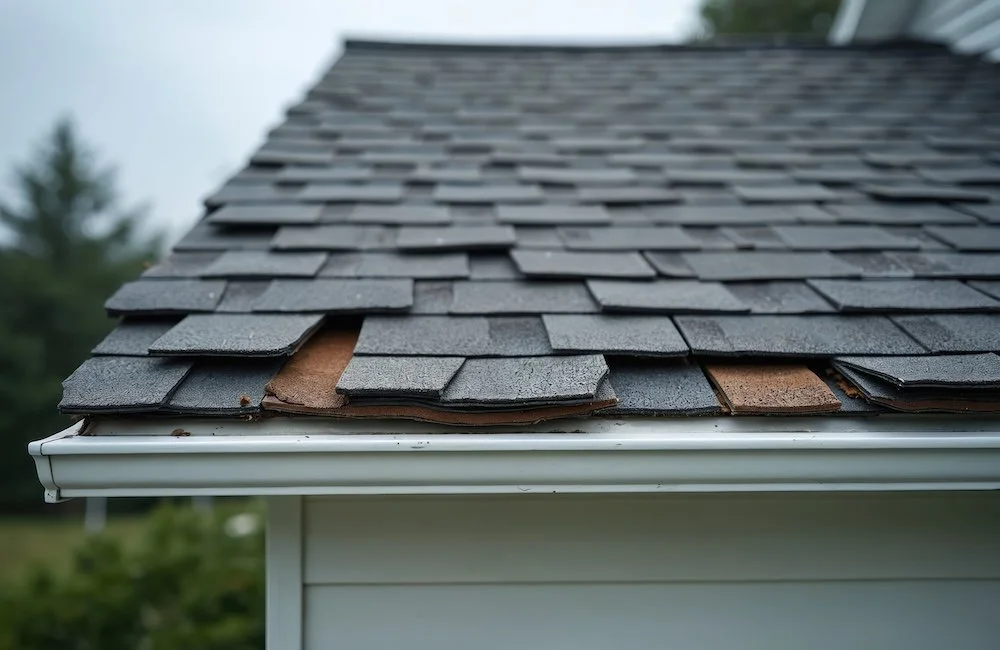
High winds during severe weather events can cause significant, immediate destruction to residential properties, but some of the most dangerous structural threats are the ones that remain entirely out of sight. While a completely missing shingle is an obvious indicator that your home requires the attention of a professional roofing contractor, wind lift shingle damage operates much more subtly. This phenomenon occurs when powerful gusts of wind break the manufactured adhesive seal that binds roofing shingles together, allowing the material to lift upward without completely tearing away from the roof deck. Once the wind passes, the affected shingles often settle back into their original, flat positions, completely masking the severe compromise to your home protective barrier.
Understanding how to recognize the signs of wind lift is essential for protecting your property long before moisture manages to penetrate your living spaces. When the manufacturer seal is broken, the structural integrity of the entire roofing system becomes compromised, leaving your home highly vulnerable to subsequent rainfall and future storms. Because this specific type of damage is notoriously difficult to identify from the ground, property owners must understand what to look for and when to request professional assistance. Navigating the aftermath of severe weather can be stressful, but learning the technical indicators of wind lift will help you make informed decisions regarding the maintenance of your property.
The Mechanics of Wind Lift and Why It Endangers Your Home
To appreciate the gravity of wind lift damage, it helps to understand how modern asphalt shingles are engineered to protect your home. Shingles are not merely nailed into place, they also rely on a continuous strip of specialized factory applied sealant that bonds each individual layer to the course beneath it. When high velocity winds sweep across your roof line, they create a powerful aerodynamic pressure differential, effectively acting like an airplane wing to lift the shingles upward. If the wind speed exceeds the rating of the adhesive seal, the bond ruptures, and the shingle lifts up, exposing the vulnerable roofing underlayment and the underlying wood deck directly to the elements.
The true danger of wind lift lies in its ability to hide from the untrained eye. When the storm subsides, gravity pulls the unsealed shingles back down, making the roof appear completely intact from a distance. However, because the factory adhesive cannot magically re-seal itself once it has been broken and exposed to dirt, debris, and moisture, those shingles remain loose and detached. The next time a storm rolls through your neighborhood, rainwater can easily be driven upward beneath the unsealed shingles by the wind, directly bypassing your primary defense system. Homeowners who want to understand more about how different weather patterns affect material choices can read about the ideal roofing materials for high wind areas to see how modern engineering combats these extreme aerodynamic forces.
Subtle Visual Indicators of Wind Lift Damage
Although wind lift is incredibly deceptive, careful observation can reveal several key indicators that point toward a compromised roof. One of the most common signs is the sudden appearance of horizontal lines or creases near the top of your shingles. When winds repeatedly lift a shingle upward without tearing it completely free, the material bends backwards against the fasteners, creating a permanent stress fracture or crease across the face of the asphalt. Over time, these creases cause the protective granules to slough off, leaving dark, exposed lines that signify the shingle has lost its structural flexibility and must be replaced.
Another telltale sign of wind lift is the presence of lifted or curled edges along the perimeter of your roof line, particularly near the rakes and eaves where wind pressures are naturally at their highest. If you notice that the edges of your shingles look slightly raised, wavy, or distorted rather than sitting perfectly flush against one another, it is a clear indication that the adhesive bond has failed. Additionally, keep a close eye on your gutters and downspouts after a major storm event, as an unusual accumulation of loose asphalt granules often points to shingles that have been repeatedly flexed and stressed by wind uplift. If you want to dive deeper into general storm impacts, you can review our guide on how to identify different types of storm damage on your roof for a comprehensive overview of visual warning signs.
Internal Red Flags and Invisible Structural Risks
Roof damage does not always announce itself on the exterior of your property, which is why homeowners should frequently inspect the interior of their homes following a severe windstorm. If wind lift has occurred, the hidden entry points created by the broken seals will eventually allow water to seep onto your roof deck. Inside your attic, you might discover localized water stains on the rafters, damp insulation, or the faint, musty smell of premature mold growth. In your main living areas, these hidden leaks eventually manifest as bubbling paint, discolored patches on your ceilings, or moisture rings around light fixtures.
It is critical to address these internal red flags immediately, as ignored roof leaks can quickly compromise the structural framework of your home. To gain a deeper understanding of the wide array of issues that can jeopardize your property, homeowners can explore these helpful tips to prevent common roofing issues to learn how minor vulnerabilities escalate into major structural headaches. Catching wind lift before it leads to widespread rot in your roof decking will save you thousands of dollars in secondary home repairs. For those interested in long term roof health, reading our article on how regular maintenance can extend the lifespan of your roof provides excellent preventative strategies.
The Essential Role of Professional Inspections
Because identifying wind lift requires physically lifting individual shingles to test the integrity of their adhesive bonds, attempting a DIY inspection is both incredibly dangerous and legally insufficient for insurance purposes. Walking on a roof that has suffered wind damage can further damage the fragile materials and places the homeowner at a severe risk of falling. A certified professional roofing contractor possesses the safety equipment, training, and specialized tools required to properly diagnose wind lift without causing further degradation to the surrounding structure.
During a professional assessment, technicians will carefully document the location of broken seals, take high resolution photographs of stress creases, and evaluate the overall condition of the system components. Homeowners who want to know exactly what to anticipate during this process can review the detailed breakdown of our trusted roof inspection services in North Dallas to understand how experts locate hidden storm damage. Having a comprehensive, professional damage report is your single best asset when it comes to filing a successful claim with your homeowner insurance provider. To see how our team handles emergency post storm assessments, you can read about our dedicated emergency storm damage restoration process to ensure your property gets immediate care.
Navigating Insurance Claims and Choosing Next Steps
Wind damage is a standard covered peril in the vast majority of Texas homeowner insurance policies, but insurance companies require definitive, concrete proof of damage before they will approve a payout. Because wind lift is difficult to document, having a professional roofing company by your side during the adjustments process is invaluable. A detailed inspection report detailing widespread adhesive failure and creased shingles proves that the roof has lost its ability to shed water, which often justifies a full roof replacement rather than a simple patch repair. For comprehensive context on how wind damage claims influence long term property decisions, you can consult the official Texas Department of Insurance guidelines to understand your consumer rights.
If your insurance provider approves your claim or if you decide to pay out of pocket to protect your investment, understanding the scope of a full replacement will give you peace of mind. You can discover what the entire process looks like from consultation to final cleanup by checking out our guide on durable roof replacement solutions in North Dallas to see how we restore safety to your home. When replacing a wind damaged roof, it is highly recommended to upgrade to high wind rated shingles that feature reinforced nailing zones and enhanced factory sealants to ensure your home remains fully protected against future storms. You can also explore our specialized residential roofing contractor solutions to view the various high performance material choices available for your specific home style.
Frequently Asked Questions
What exactly is roof shingle wind lift?
Wind lift occurs when strong winds break the manufactured adhesive seal that bonds roofing shingles together. This allows the shingles to lift upward during a storm. Once the wind subsides, the shingles often settle back down into their original positions, making the damage invisible from the ground while leaving the roof highly vulnerable to leaks.
How can I tell if my roof has wind lift damage without climbing on it?
While a professional inspection is required for a definitive diagnosis, you can look for key visual clues from the ground using binoculars. Watch for shingles that look slightly raised, wavy, or curled along the edges of your roof line. You should also check for dark, horizontal creases across the face of the shingles or an unusual buildup of asphalt granules in your gutters.
Will my homeowners insurance cover wind lift shingle damage?
Yes, wind damage is typically a covered peril under most standard Texas homeowners insurance policies. However, because wind lift is difficult to see, insurance adjusters require clear, documented evidence of broken adhesive seals and material degradation. It is highly recommended to have a professional roofing contractor inspect the roof and provide a detailed damage report to support your claim.
Can a wind-lifted shingle just be glued back down?
Generally, no. Once the factory-applied sealant strip is broken and exposed to dirt, debris, and moisture, it cannot be reliably re-sealed. Attempting to manually spot-glue widespread wind lift is a temporary fix that often fails during the next storm. If the wind lift is widespread across your roof, a full replacement is usually necessary to restore the structural integrity of your home's defense system.
Partnering with Local Experts for Lasting Protection
Ignoring the subtle signs of wind lift shingle damage is a gamble that can result in catastrophic water damage, compromised indoor air quality, and expensive structural repairs down the road. If your neighborhood has recently experienced a severe weather event with high winds, do not rely solely on a visual check from your driveway. Taking a proactive approach to your roof maintenance is the best way to safeguard your family and preserve your property value.
When you need an honest evaluation of your roof, you should partner with a local contractor who prioritizes integrity and clear communication. For further industry education on how wind forces interact with building envelopes, you can read the Federal Emergency Management Agency residential roofing guidelines to learn about national wind resilience standards. If you suspect that your home has been affected by wind lift, you can easily contact Triumph Roofing online to schedule a comprehensive, transparent inspection with our experienced team and secure your peace of mind before the next big storm arrives.